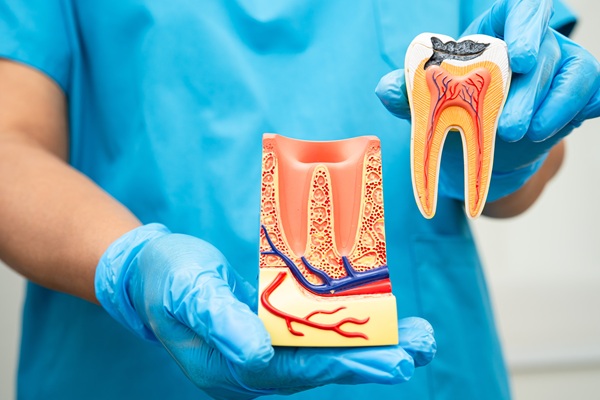
Root canals effectively treat infections or damage inside a tooth, offering a chance to save the tooth and restore oral health. While these procedures are widely successful, understanding the potential risks can help patients feel more confident and prepared. Knowing how to avoid complications is important in ensuring the best possible outcome.
What are the potential issues with root canals?
Root canals involve carefully removing the infected or damaged tissue inside a tooth, cleaning the area, and sealing it to prevent further problems. While most patients heal smoothly, some may experience temporary discomfort, such as tenderness or swelling. This is a normal part of the healing process and often subsides with proper care and medication.
However, complications may arise in some cases. For instance, reinfection can occur if bacteria find their way back into the tooth due to an incomplete seal or an undetected canal. Cracks in the tooth can also allow bacteria to reenter, potentially leading to additional treatment. Another issue could involve the tooth's structural integrity, especially if it is weak after the procedure. Without proper reinforcement, such as a dental crown, the probability of the tooth fracturing under normal chewing forces greatly increases.
How to minimize risks and promote healing
Preventing complications involves thorough preparation and skilled treatment. During the planning stage, a detailed examination and imaging ensure all canals receive proper attention. Advanced tools, such as digital X-rays, provide a clear view of the tooth's structure, helping to identify hidden canals that may require treatment.
Further, following the dentist's care guidelines is critical to minimizing risks. For example, they may instruct patients to avoid chewing on the treated tooth until it is fully restored, reducing the chance of fractures. They may also advise on maintaining daily oral hygiene, including brushing, flossing, and keeping the area clean to reduce the likelihood of reinfection.
Follow-up care is another essential component. Regular appointments allow the dentist to monitor progress and address any potential concerns early. Staying proactive with dental care promotes better outcomes, helping ensure long-term success and the health of the treated tooth.
The importance of restoring the tooth
For many patients, the next step after a root canal is placing a dental crown on the treated tooth. Crowns are vital because they protect the tooth from damage and provide additional strength, especially for back teeth that handle heavy chewing. A crown, a custom, tooth-shaped cap, acts as a shield, reducing the risk of fractures and ensuring the tooth can function normally. Without a crown, the treated tooth may remain vulnerable, increasing the chances of complications.
Call us for more information
Root canals offer an excellent solution for saving a damaged or infected tooth, but understanding the process and potential risks can make the experience smoother. Patients who follow the dentist's guidance, stay consistent with aftercare, and take steps like getting a crown can enjoy lasting results. If you have questions about the root canal process or how to care for them, contact Hudson Emergency Dental and Implant Center for more information.
Request an appointment here: https://www.hudsonerdental.com or call Hudson Emergency Dental and Implant Center at (201) 620-9574 for an appointment in our Bayonne office.
Check out what others are saying about our dental services on Yelp: Root Canal Treatment in Bayonne, NJ.
Related Posts
A root canal is typically the best choice to relieve pain, preserve the tooth, and restore function when inflammation or infection in the fragile inner pulp of a tooth occurs. The dentist will do their best to offer a pain-free root canal operation, ensuring that you are comfortable and calm during the process. So, the…
A preventive dentist is vital in protecting long-term oral health by identifying and addressing risks before they develop into serious concerns. From proactive care to personalized guidance, a preventive dentist helps reduce the likelihood of cavities, gum disease, and other common dental conditions. By encouraging consistent checkups and healthy habits, this approach supports stronger teeth,…
Preventive dentistry aims to keep the mouth healthy by preventing problems rather than waiting to fill a cavity when the patient feels pain or only addressing enamel erosion after teeth become sensitive. These services may include a deep cleaning of the teeth and other treatments that can only be performed by a licensed dentist.Many patients…
An emergency dentist visit can provide fast relief when severe tooth pain, swelling, bleeding, or dental trauma disrupts the day. Dental emergencies often happen without warning and can quickly affect comfort, speech, eating, and overall peace of mind. Knowing what happens during same-day care can help patients feel more prepared and less overwhelmed when urgent…